



























































The shared path between Ngauranga and Petone has reopened after heavy swells eased this afternoon, but people are still being urged to take care as strong winds and bad weather continue across the Wellington region.
NZ Transport Agency Waka Kotahi advised at 3.15pm today, Tuesday, June 9, that the Ngauranga to Petone shared path, part of Te Ara Tupua, was open again. State Highway 2 between Petone and Ngauranga has remained open.
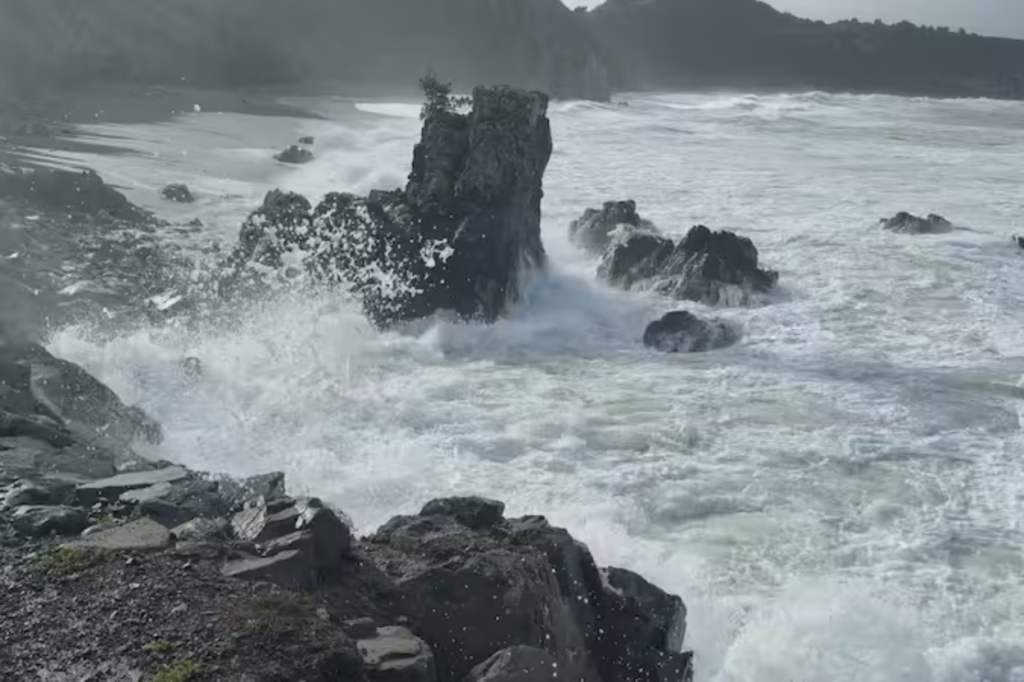
MetService has a Heavy Swell Warning in place for Wellington from Cape Terawhiti to Turakirae Head until 6am Wednesday, with southerly combined waves forecast to rise to 7 to 8 metres before easing. (metservice.com)
Wellington Region Emergency Management Office says coastal areas remain hazardous, with people advised to stay out of the water and avoid beaches, harbour areas and exposed coastal roads. Swells could bring debris and surface flooding, especially around high tide. (WREMO)
Cape Palliser Road remains closed from the Hurupi Stream bridge until further notice, with the closure likely to remain in place until at least Wednesday, June 10. People are also being advised to avoid coastal roads around Lake Ferry, Ngawi, Mataikona, Castlepoint, Whakataki and Riversdale Beach.
Regional transport has also been affected. Rail services between Ngauranga and Petone are operating, while East by West ferry services were suspended earlier today and Interislander ferry sailings have been cancelled.
Bus delays are likely where coastal road closures remain in place.
Residents in coastal communities are encouraged to keep checking official updates and take action if they believe they are at risk.
For transport alerts, check Metlink and NZTA Waka Kotahi updates. For emergency advice, follow Wellington Region Emergency Management Office and your local council.
