
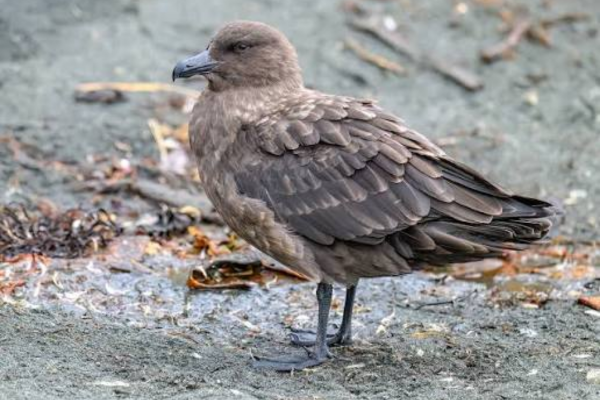

































































A brown skua found at Petone Beach is being held in secure isolation at Wellington Zoo after becoming New Zealand’s first confirmed case of H5N1 bird flu.
The seabird was found on July 10 and returned a positive test on Wednesday.
Lower Hutt Deputy Mayor Keri Brown said the case involved one bird and there was no evidence the virus had spread to other wild birds or poultry.
“This is one individual seabird and there’s no evidence of spread to other wild birds, and no detections in poultry,” Brown said.
She said the Ministry for Primary Industries, Department of Conservation and health agencies had been preparing for the possible arrival of H5N1 for years and a response was under way.
Officials have checked Petone Beach and found no other signs of illness. Monitoring of the beach and surrounding area will continue.
Biosecurity Minister Andrew Hoggard said there was no evidence of mass wildlife deaths or transmission between wild birds in New Zealand.
The detection has raised concerns about the possible effect of H5N1 on vulnerable native species.
The Department of Conservation has begun vaccinating 300 breeding birds from five threatened species: kākāpō, takahē, tūturuatu or shore plover, kakī or black stilt, and kākāriki karaka or orange-fronted parakeet.
H5N1 can affect many wild bird species. Birds that gather in large groups, including gulls, gannets and terns, could be among those most at risk.
The risk to people remains low. Human infections are rare and are generally linked to direct, close and prolonged contact with infected birds or animals. Eggs and poultry remain safe to eat.
People are being asked to stay away from sick or dead birds, keep pets away and avoid touching or moving wildlife.
Anyone who sees three or more sick or dead birds together should call the exotic pest and disease hotline on 0800 80 99 66.
Reports should include the location, photographs or video where possible, the type of bird and an estimate of how many are affected.
