
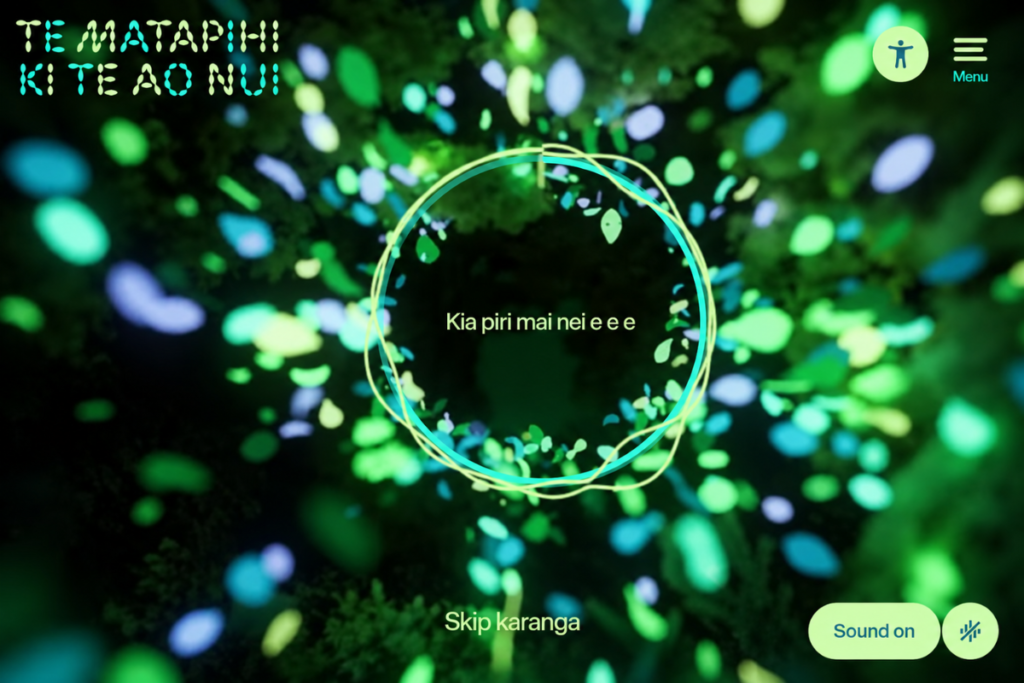














































Wellington City Council spent around $600,000 on a website for its reopened Central Library without setting any targets to measure whether it was successful.
An independent review into the Te Matapihi ki te Ao Nui website has found weaknesses in procurement, governance and value-for-money oversight, and concluded a cheaper website could have done the job.
The review was carried out by Colin MacDonald QSO after the cost became public in May. Councillors had previously been unaware of the price, with some describing the spending as “atrocious” and raising concerns about transparency.
MacDonald found the Council had set no specific outcomes, performance targets or success criteria for the website before it launched.
The site recorded 18,191 page views in July, but without any target to compare that figure against, the review found it was difficult to determine whether the website was meeting expectations.
The website was developed primarily as a marketing tool to attract visitors to Te Matapihi, Capital E and the City Archives, and to help bring people back into Wellington’s civic precinct.
The review found problems with the procurement process began early.
The Council did not go to market until May 2025 despite wanting the website delivered by September.
Six vendors were invited to submit proposals, but only two bid. MacDonald spoke to two of the vendors that declined, with both identifying the short timeframe as a concern.
The Council then used a rapid “procurement-in-a-day” process to select a supplier.
That process was approved on the basis of the $75,000 cost of the first phase rather than the likely total cost of the website.
Once the first phase was completed, the successful supplier was retained for the remaining work without the Council returning to the market.
An independent value-for-money appraisal commissioned during the project estimated the website would cost between $330,000 and $500,000.
It warned the price was at the upper end of the market and described the proposed work as falling within a “premium interactive website price bracket”.
MacDonald said that should have been an opportunity for the Council to reconsider what it was buying.
“This was an opportunity to pause and reconsider the scope and specification,” he wrote.
The website was part of the wider $614 million Te Ngākau Civic Precinct programme, but it was never discussed by the programme board overseeing the redevelopment.
Because the website represented only around 0.1 percent of the overall programme budget and the spending remained within staff delegations, it did not receive board-level scrutiny.
MacDonald also found the project’s ambition to help regenerate Civic Square may have contributed to the cost.
The project team considered one of its biggest risks to be that not enough people would visit the reopened facilities, which the review found may have encouraged a focus on premium options without enough challenge from elsewhere in the Council.
Some Council subject matter experts reported feeling sidelined and increasingly unable to influence decisions.
The Council was also unable to locate the original specification document for the website.
MacDonald ultimately concluded the Council could have spent less while still achieving what was required.
“Taking all of this into account, I have formed the view that a more moderated approach by the project could have delivered a less expensive site that was still fit-for-purpose,” he wrote.
The review recommends the Council urgently develop a web strategy, introduce a formal value-for-money framework and base future procurement decisions on expected whole-of-life costs.
It also recommends giving major web projects enough time for proper market competition and appointing independent external chairs to governance boards overseeing Council programmes worth more than $100 million.
Source verification:
