





























































Wellington’s Moa Point Wastewater Treatment Plant is not expected to be fully restored until February 2027, with screened wastewater continuing to be discharged into Cook Strait while major repair work continues.
Wellington Water and Wellington City Council released a recovery road map on Wednesday, saying major recovery works are expected to be complete by November.
But the timeline confirms the plant will not return to full treatment this year. Secondary treatment, including biological treatment, is expected to restart in November, but Wellington Water says the process will take time to stabilise before the plant is fully restored.
The plant has been operating in a limited capacity since February 4, when flooding caused a major failure at the Moa Point facility.
Since then, wastewater has been screened and sent through the 1.8km long outfall into Cook Strait, without the full biological treatment and ultraviolet disinfection normally provided by the plant.
During heavy rain, wastewater may still discharge through the short outfall pipe at Tarakena Bay.
Wellington Water says those discharges are expected to reduce as more wastewater can be pumped through the long outfall, but they may still occur while recovery work continues.
The recovery programme involves nearly 30 separate projects, which Wellington Water says must be carefully sequenced before plant systems can be safely brought back online.
The update also confirms work is continuing on a hydraulic design issue identified after the February flooding.
A hydraulic report found the bypass system’s flow capacity appeared to be substantially less than the original stated design capacity.
That issue is separate from the immediate recovery work and is expected to remain part of the longer-term repair programme.
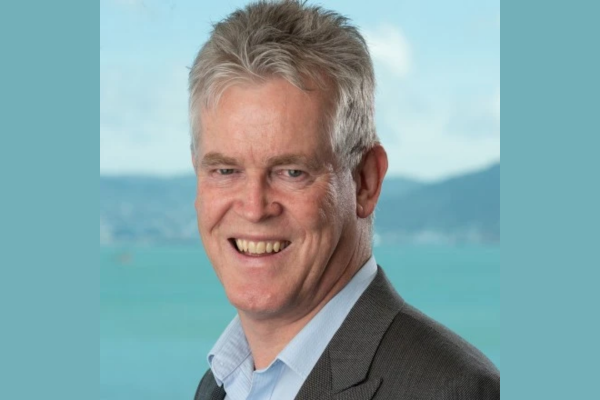
Wellington Mayor Andrew Little said the road map would give residents, businesses and south coast users “greater visibility and confidence” in the recovery.
“The failure of the Moa Point Wastewater Treatment Plant has caused massive disruption to people, communities and businesses who are connected to the south coast,” Little said.
“This is a turning point for the recovery of Moa Point. We know the road ahead to recovery, and local communities, businesses and people who use and enjoy the south coast can at least look forward with a degree of certainty about when the plant will be fully restored.”
Wellington Water chief operating officer Charles Barker said November was a key milestone for the community to track.
“We’ll report against these milestones so people can track progress and hold us to account,” Barker said.
“A key date for the community to hold us to is November, when major recovery works are expected to be complete and we’ll be able to start sending wastewater through full treatment processes.”
Barker said every effort was being made to restore the plant “as quickly and safely as possible”.
“We know every additional day the plant is not fully operational makes a difference,” he said.
Greater Wellington Regional Council has said Wellington City Council holds the resource consents for discharges from the plant. Wellington Water maintains the plant, with operational support from Veolia.
Greater Wellington says Wellington City Council, Wellington Water and Veolia are responsible for operating and maintaining the plant and ensuring it complies with consent conditions.
The ongoing discharge has affected south coast residents, swimmers, divers, fishers, marine businesses and people who gather kaimoana.
LAWA continues to advise people not to collect or eat kaimoana between Ōwhiro Bay and Breaker Bay. People are also advised to check current water quality warnings before swimming or using the south coast.
Wellington Water says it will report against the recovery milestones as work continues.
Residents can check beach and water quality updates at LAWA.org.nz, follow Wellington Water updates, or report pollution incidents to Greater Wellington on 0800 496 734.
