




























































Serious problems with New Zealand’s revamped school lunch programme have raised concerns for Wellington schools and families relying on the scheme.
An Auditor-General inquiry found only about half of the meals assessed by the Ministry of Education in 2025 met its nutrition standards.
The report, tabled in Parliament on June 30, also identified excessive food waste, delivery failures, safety incidents, inadequate planning and concerns about the fairness of the programme’s procurement process.
The findings apply nationally and have implications for Wellington schools participating in the Healthy School Lunches Programme, also known as Ka Ora, Ka Ako.
Between May and December 2025, just over 50 per cent of meals assessed by the ministry complied with its nutrition standards.
The School Lunch Collective, which supplies meals under the revised programme, disputed that figure. It said compliance reached 69 per cent in Term 3 and 75 per cent in Term 4.
The inquiry found the ministry could not show the cheaper programme was delivering value for money beyond reducing costs.
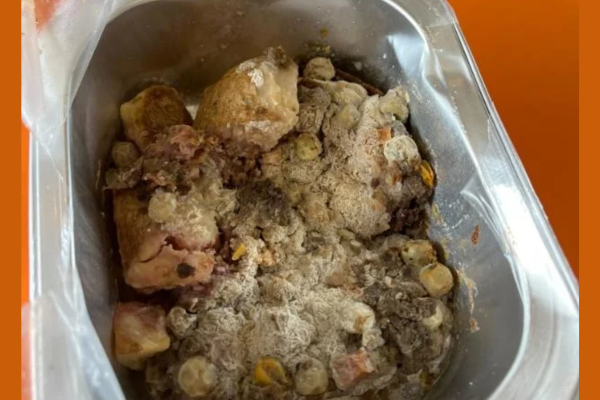
A waste survey carried out in Term 3 last year recorded 8.82kg of waste for every 100 lunches, above the programme’s target of no more than 7kg.
The proportion of unopened meals was also above the programme’s 10 per cent limit and had increased to 17 per cent in 2026.
The Auditor-General said it was unclear how the ministry and the School Lunch Collective were effectively monitoring or reducing waste.
Delivery problems were also identified. During Term 1 of 2025, the programme failed to meet its delivery targets on 22 of the 47 days measured.
The School Lunch Collective received 51 complaints in February last year. Some were resolved within one day, while others took as long as 260 working days.
Safety concerns included an incident in which a child was burned after meal packaging unsuitable for commercial ovens was reheated.
The inquiry was also critical of the programme’s planning and procurement.
The revised model was developed around a target cost of about $3 a meal, but that figure did not initially include all delivery and distribution costs and had not been fully tested with suppliers.
Officials had warned the proposed model might not meet students’ nutritional needs, could place additional pressure on school staff and might create food safety risks.
The report said the programme continued to change during the procurement process, raising fairness concerns for suppliers that had withdrawn because they could not deliver the required service for $3 a meal.
Contingency planning was also found to be inadequate for a programme of its size. Financial, production and quality problems emerged early, and supplier Libelle went into liquidation soon after the revised programme began.
Associate Education Minister David Seymour defended the changes, saying the programme had saved taxpayers hundreds of millions of dollars.
He said early problems had been addressed and further work was under way to reduce surplus meals and improve menu variety, quality and responsiveness to school feedback.
Seymour said there was also a difficult balance between meeting nutrition standards and providing meals students wanted to eat.
Labour education spokeswoman Ginny Andersen said it was unacceptable that so few meals met the required standards.
She said lunches that were not eaten represented poor value for money and repeated Labour’s commitment to return to the previous model.
The Auditor-General said monitoring had improved, but inconsistent data and measurement methods continued to limit the ministry’s ability to assess the programme.
It also remained unclear whether the scheme was meeting its wider goals of reducing food insecurity and supporting student attendance and achievement.
